Introduction to SKYBIZ Normal Pay (Generate Non-Fixed Allowances and Deductions)
While an employee’s normal pay setup establishes a predictable baseline of compensation, a dynamic payroll system must seamlessly generate and integrate non-fixed allowances and deductions within the active processing cycle to reflect real-time operational variables. Non-fixed allowances handle fluctuating, event-driven earnings like mileage reimbursements, ad-hoc performance bonuses, or sales commissions, whereas variable deductions account for unpredictable subtractions such as late-coming penalties or prorated unpaid leave. Rather than requiring administrators to manually adjust balances or run separate, disjointed pay cycles, a modern payroll engine automatically pulls these values from integrated modules—like e-Attendance and claim tracking—and processes them against predefined mathematical rules. This automated synchronization ensures that an employee’s final net pay accurately balances their fixed contractual terms with their precise monthly activity, eliminating human calculation errors and keeping the entire gross-to-net pipeline fully compliant with statutory tax structures.
How to Generate Non-Fixed Allowances and Deductions?
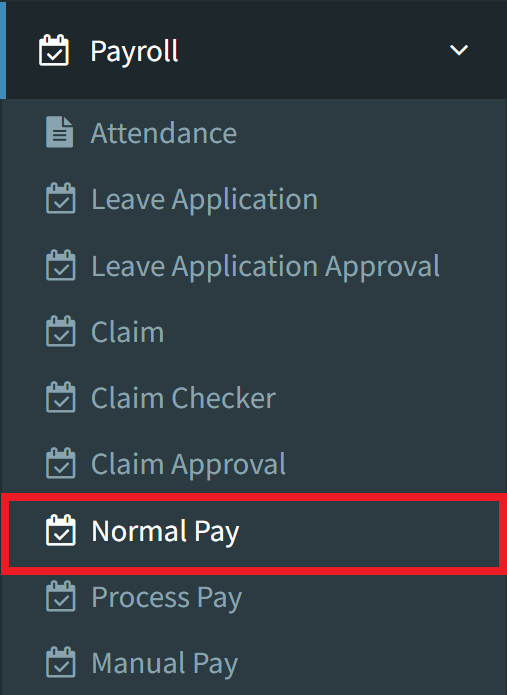
Step 1: To Generate Non-Fixed Allowances and Deductions, navigate to Payroll > Normal Pay
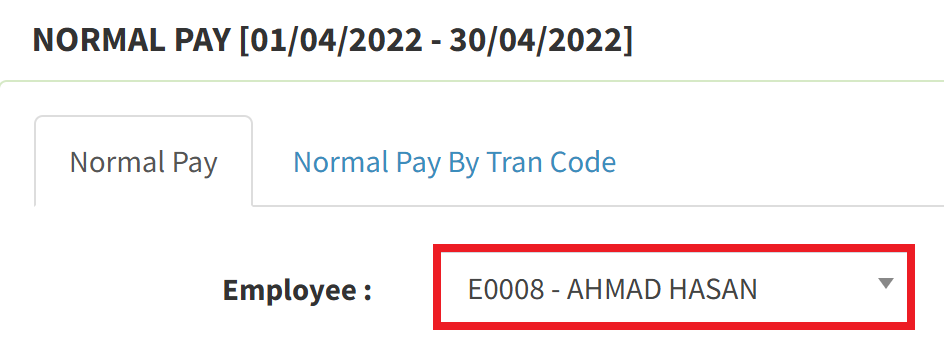
Step 2: Select the employee’s name to open and manage their payroll settings.
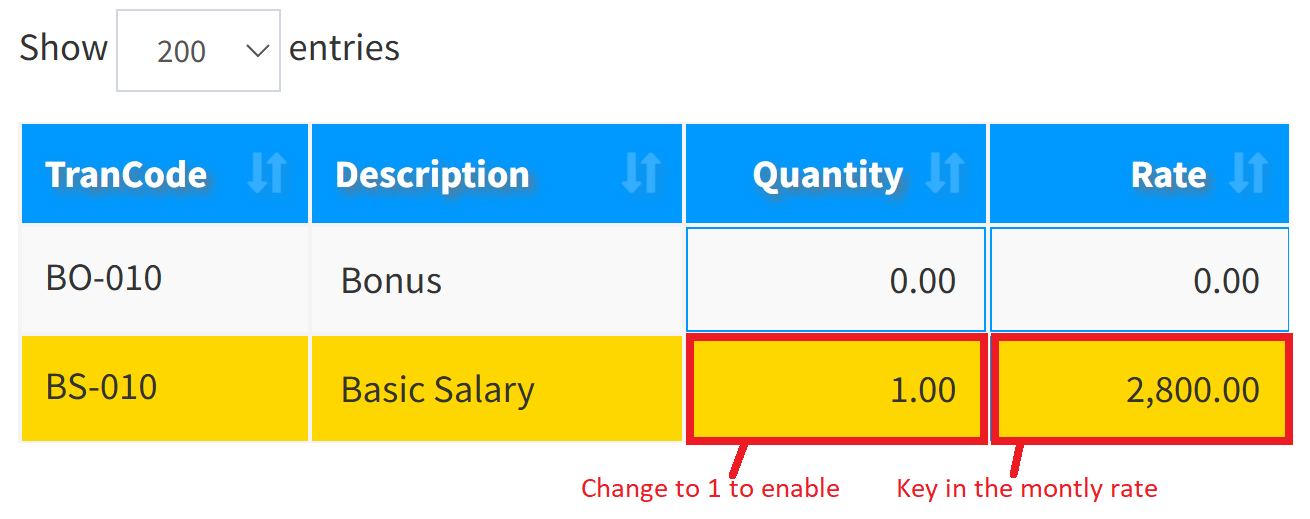
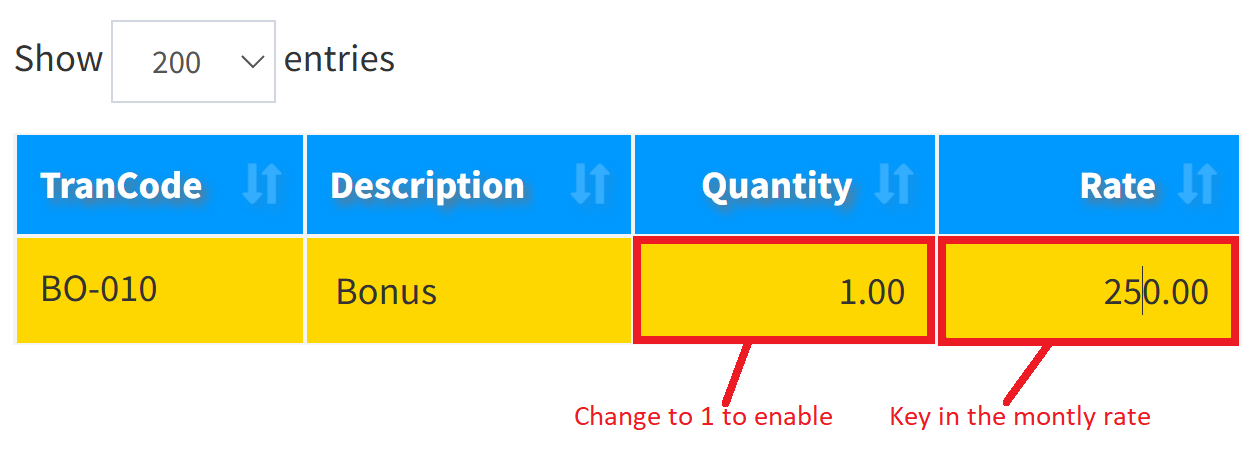
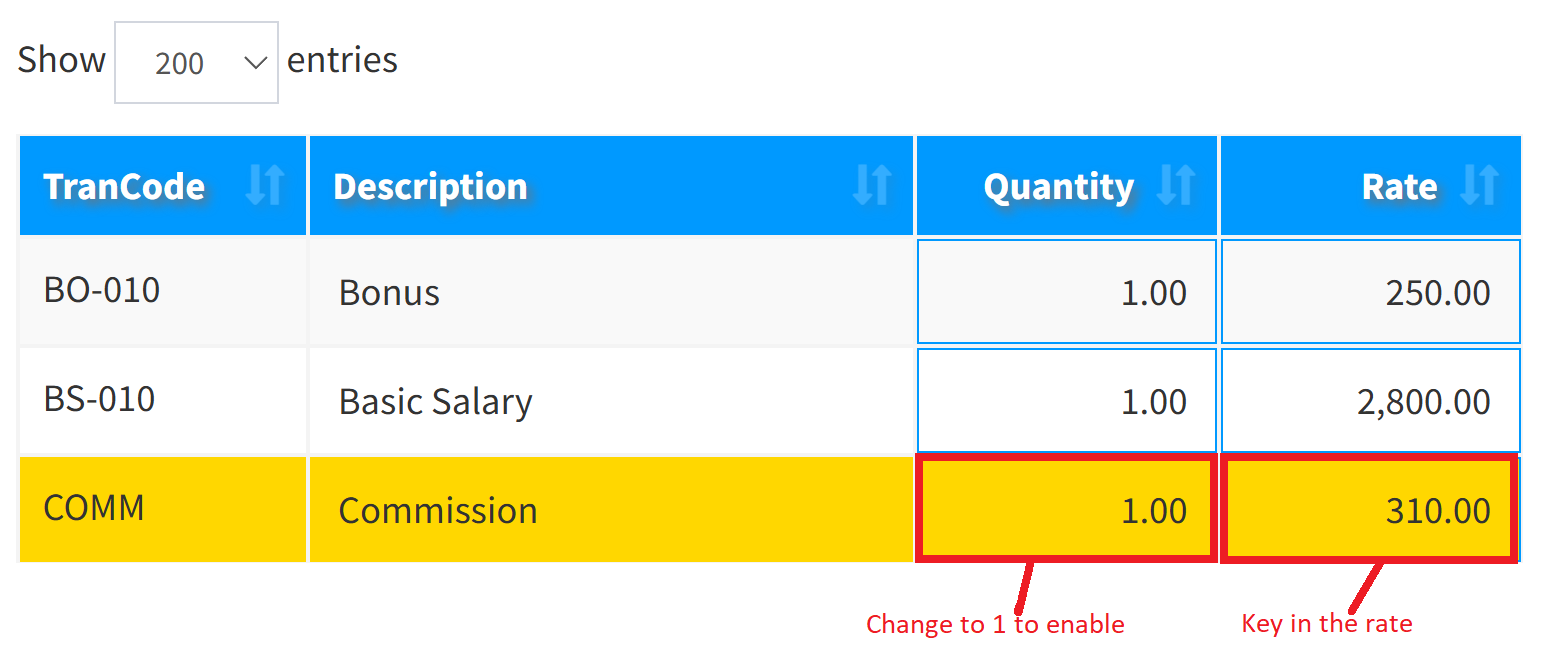
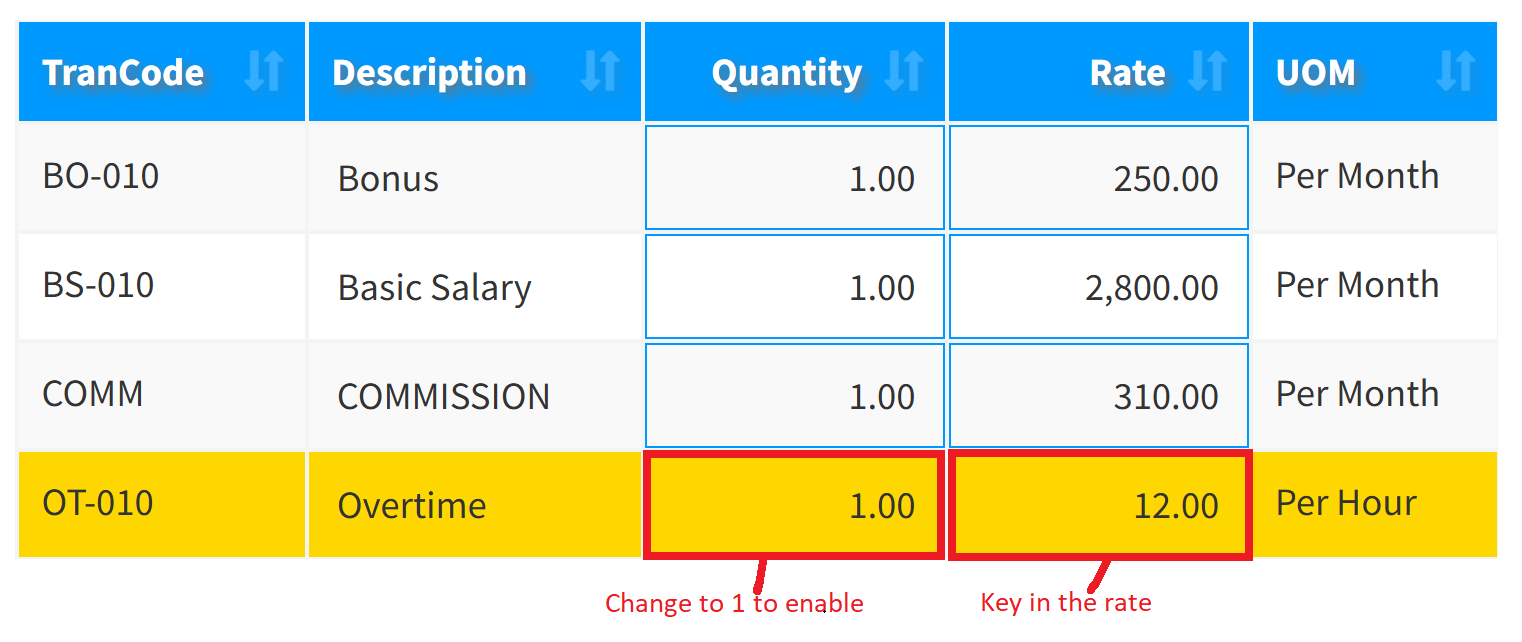
Step 3: Go to the target pay type, change the Quantity field to 1, then input the Rate to proceed.
Basic Salary Example
Bonus Example
Commission Example
Overtime Example
Conclusion
In conclusion, the automated generation of non-fixed allowances and deductions within the normal pay workflow is vital for maintaining a precise, hands-free payroll operation. By bridging the gap between fixed contractual commitments and fluctuating monthly data, this mechanism ensures that every salary run is both operationally accurate and legally compliant. Eliminating manual intervention from these volatile calculations dramatically reduces the administrative burden on finance teams and prevents the internal discrepancies that often disrupt workforce trust. Ultimately, embedding robust logic for variable adjustments into an enterprise system delivers a scalable, transparent, and audit-ready asset that effortlessly adapts to the dynamic realities of a fluctuating business environment.
Powered By: SKYBIZ ®